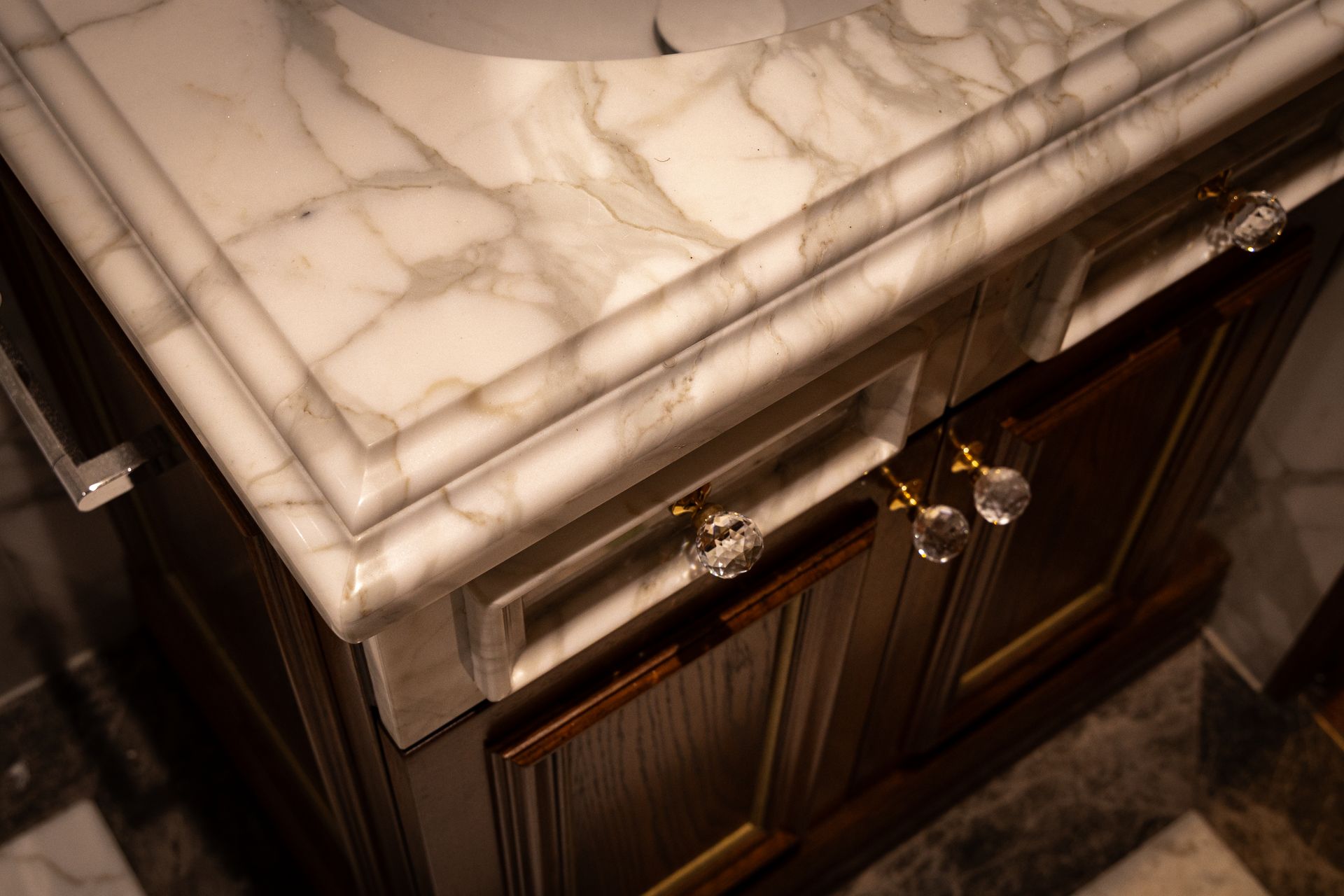
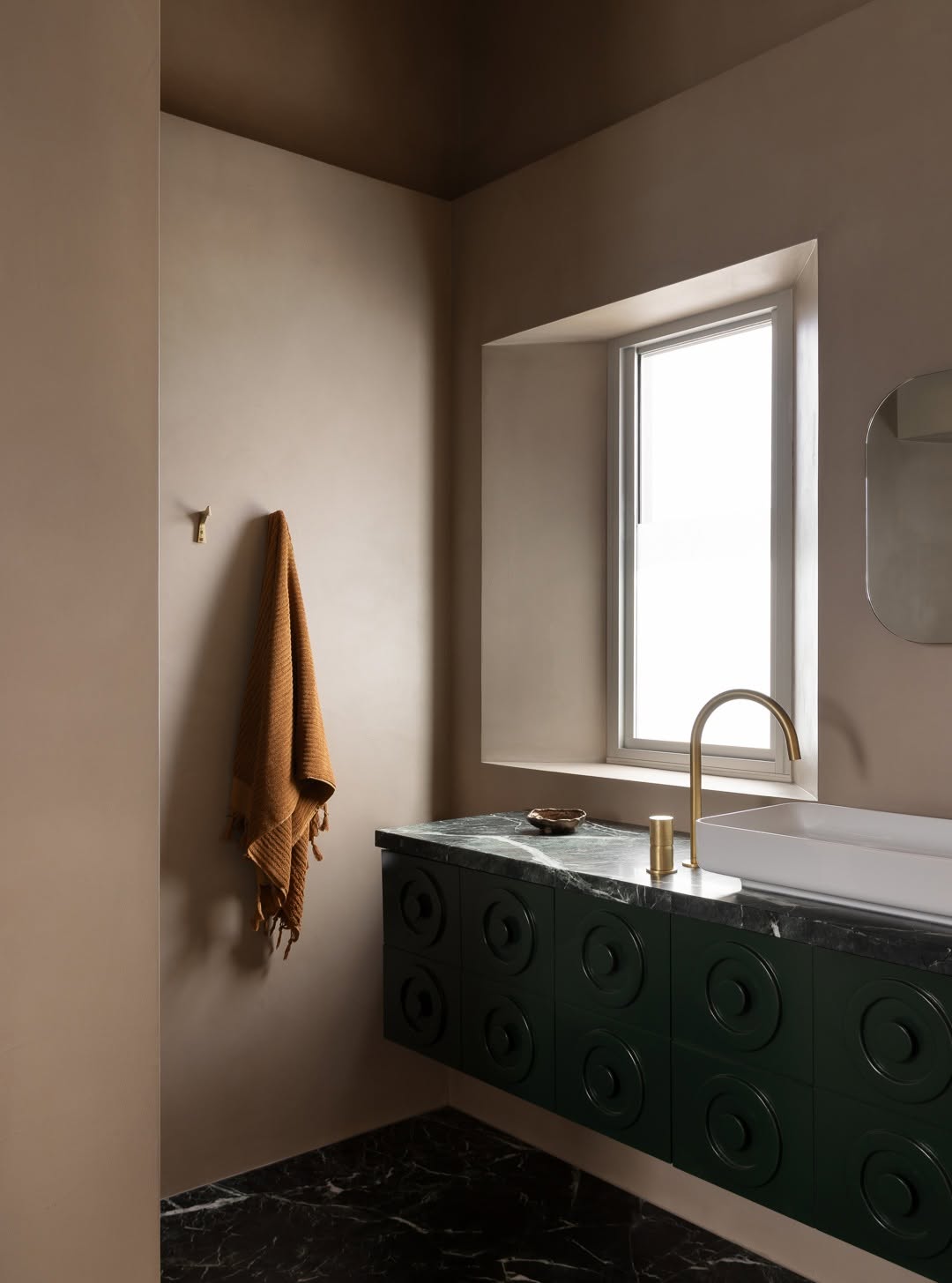
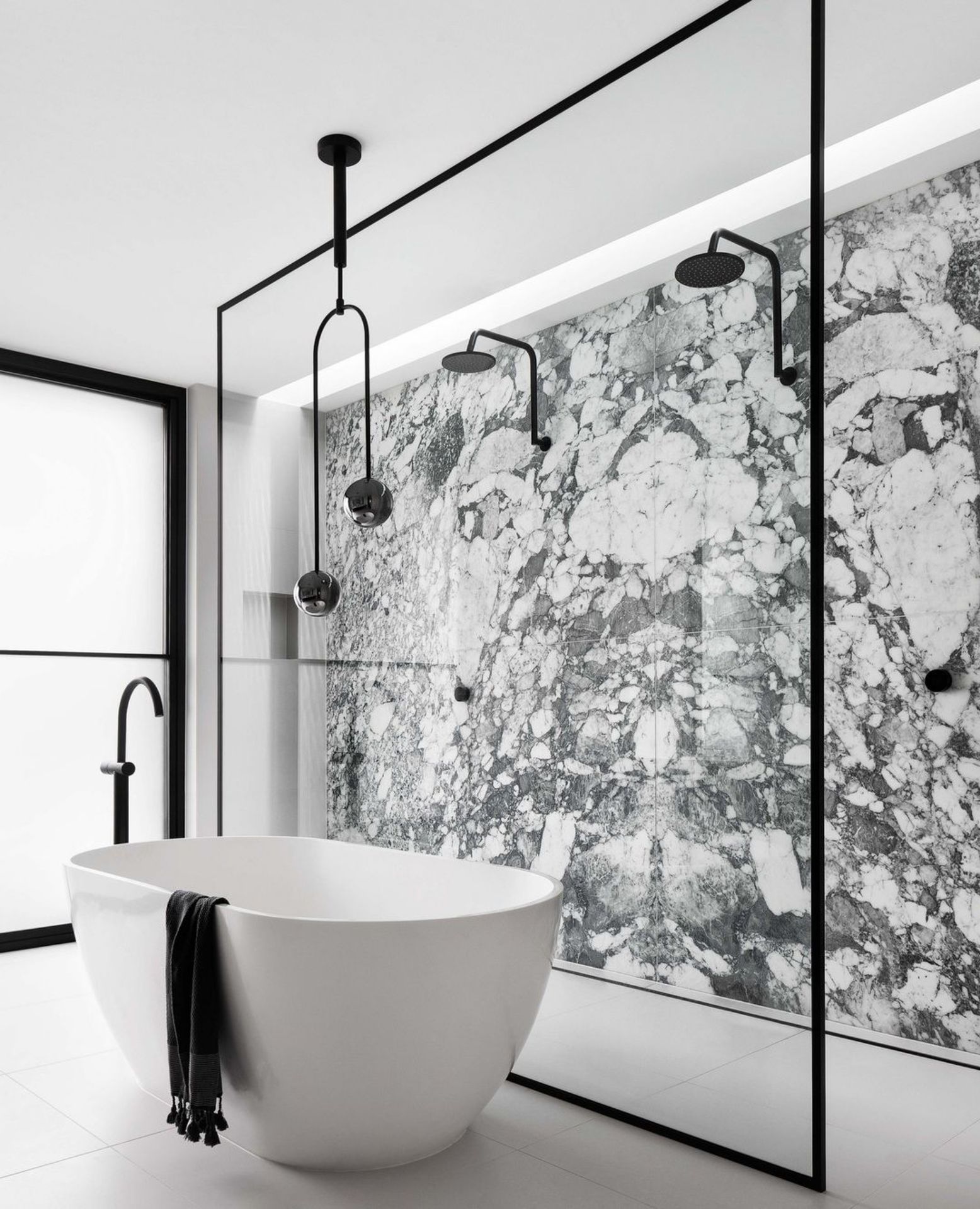
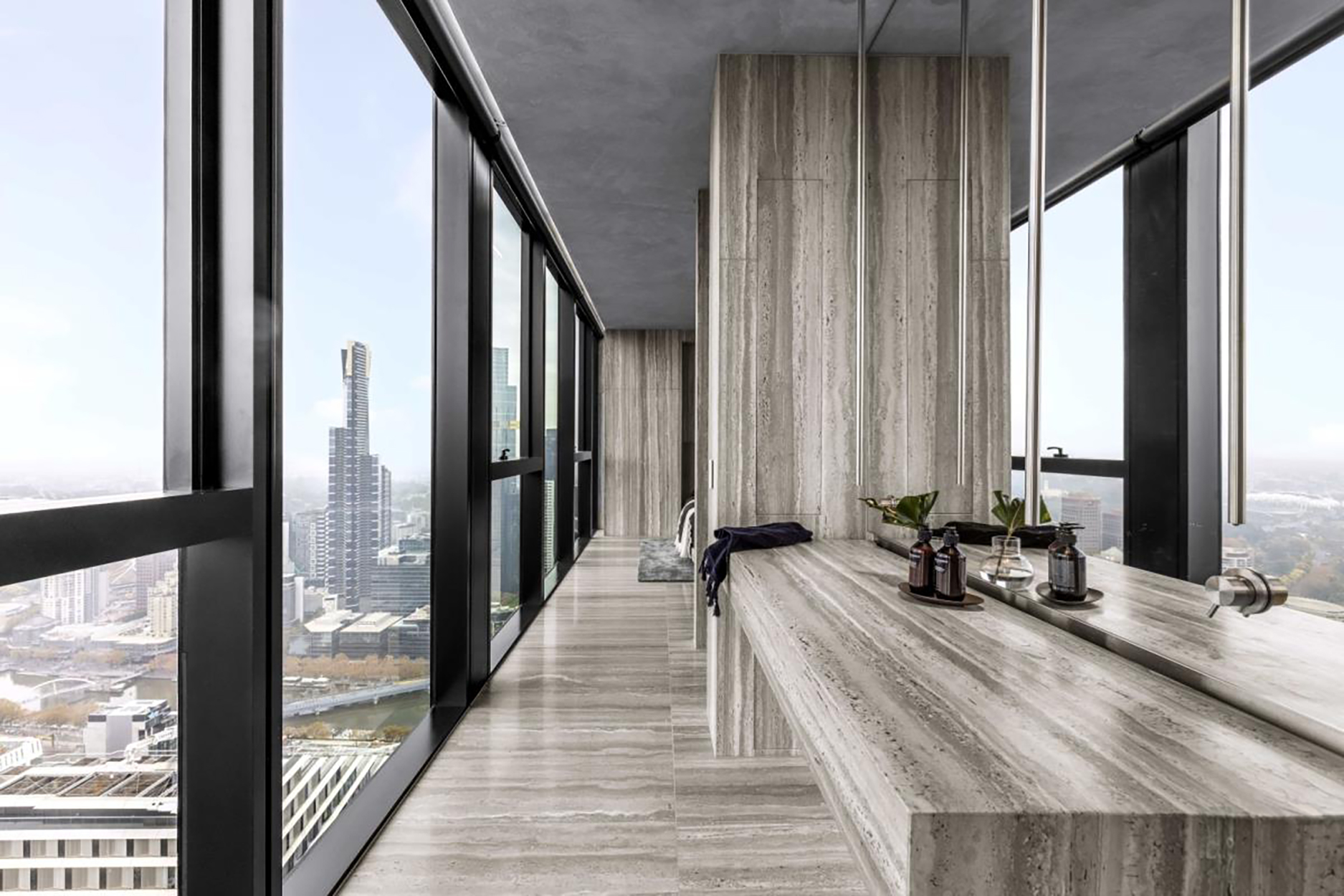
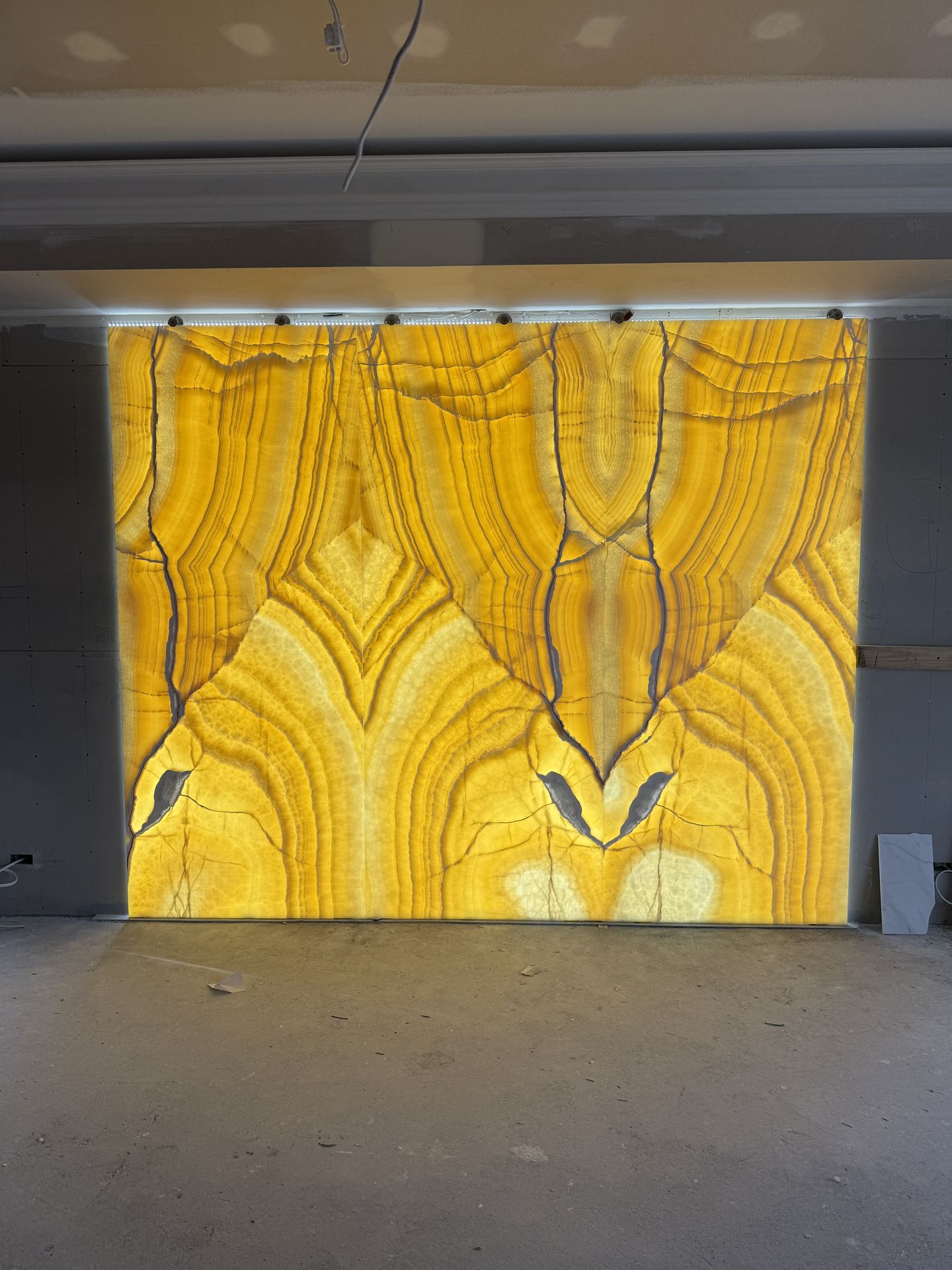
When you’re standing in front of a stunning slab, it’s easy to fall in love with the colour and veining alone. But the best stone choice isn’t just about looks – it’s about porosity, hardness, maintenance and where that stone will live: kitchen, bathroom, floor or outdoors.
In this guide, we’ll walk through four of the most requested natural stones at Pazzi Marble & Granite – marble, quartzite, granite and limestone – and how to match them to real-life use.
Understanding hardness and porosity (without getting too nerdy)
Two big ideas influence how a stone behaves day to day:
- Hardness – how resistant the stone is to scratching, often measured on the Mohs hardness scale from 1 (very soft) to 10 (very hard).
- Porosity – how easily liquids can move into the stone, which affects staining and how often it needs sealing.
As a general guide:
- Marble: ~3–5 Mohs
- Limestone: ~3 Mohs
- Granite: ~6–7 Mohs
- Quartzite: ~7–8 Mohs
Harder stones are usually more scratch-resistant. Less porous stones are usually more stain-resistant and lower maintenance – especially when sealed properly.
With that foundation, let’s look at each stone in more detail.
Marble – timeless, expressive, and happy to develop character
What it is:
Marble is a metamorphic stone formed when limestone or dolomite is subjected to heat and pressure, reorganising the crystals and creating the veining we all recognise.
Hardness & porosity:
- Mohs hardness typically 3–5, so softer than granite and quartzite.
- It can be relatively low in porosity due to its crystalline structure but is chemically sensitive, especially to acids (lemon, vinegar, wine, some cleaning products) because it’s rich in calcium carbonate.
How it behaves in real homes:
- Pros: iconic veining, classic European look, great for creating statement kitchens, bathrooms and fireplaces.
- Cons: can scratch, stain and etch if not cared for; needs regular sealing and pH-neutral cleaners.
Where marble shines:
- Kitchens:
Best for homeowners who understand and accept patina – small etches and marks that develop over time. It’s a great choice for “lived-in luxury” rather than perfection. - Bathrooms & powder rooms:
Beautiful on vanities, walls and floors with proper sealing and ventilation. Be aware that cosmetics, skincare and toothpaste can cause etching if not wiped up. - Feature walls & fireplaces:
Lower wear areas where marble can really be the hero.
If you love marble but run a high-traffic family kitchen, we often talk openly with clients about placement (e.g. feature island + more durable perimeter stone) or choosing marble-look quartzite instead.
Quartzite – natural stone with serious strength
What it is:
Quartzite is a metamorphic rock formed from sandstone and quartz. Under heat and pressure, the grains fuse to create a dense, very hard stone.
Hardness & porosity:
- Typically around 7–8 on the Mohs scale, harder than granite and significantly harder than marble.
- Generally less prone to scratching and wear; still has porosity, so sealing is important.
How it behaves in real homes:
- Pros: excellent scratch and heat resistance, low wear in high-traffic areas, natural veining often reminiscent of marble, but with more durability.
- Cons: usually needs sealing once or twice a year depending on use; not all stones marketed as “quartzite” are equal, so professional sourcing and testing matter.
Where quartzite shines:
- Kitchens & butler’s pantries:
Fantastic for busy, family kitchens where you still want a natural stone with character. - Bathrooms:
Great choice for vanities and feature walls when you want durability with a luxurious look. - Outdoors:
Many quartzites perform well outdoors due to their hardness and weather resistance, though the suitability of each stone depends on its specific characteristics and finish.
If you’re torn between the drama of marble and the practicality of a harder stone, quartzite is often where we start the conversation.
Granite – the dependable workhorse with a natural look
What it is:
Granite is an igneous rock formed from cooled magma, with interlocking crystals of quartz, feldspar and other minerals.
Hardness & porosity:
- Typically around 6–7 on the Mohs scale, making it significantly harder than marble.
- Generally less porous than marble and limestone, so it often requires less frequent sealing and tends to be easier to maintain.
How it behaves in real homes:
- Pros: very good scratch and heat resistance, performs well in heavy-use spaces, broad colour range from subtle to bold.
- Cons: still a natural stone, so some varieties can show staining or water marks if left unsealed or neglected.
Where granite shines:
- Kitchens & laundries:
Excellent for high-use benchtops that see hot pots, heavy cookware and daily wear. - Outdoor kitchens and BBQ areas:
Frequently considered one of the most durable options for outdoor benchtops thanks to its strength and weather resistance when properly sealed and detailed. - Floors and stairs:
Suitable for high-traffic zones where durability is crucial.
For clients who want natural stone but are concerned about maintenance, granite often becomes the “safe” and sensible choice – especially in Australian outdoor conditions.
Limestone – soft, warm and textural in the right setting
What it is:
Limestone is a sedimentary rock composed mainly of calcium carbonate, often formed in marine environments.
Hardness & porosity:
- Typically around 3 on the Mohs scale – similar to softer marbles.
- More porous than granite and many marbles; without sealing it can absorb moisture and stain or discolour over time.
How it behaves in real homes:
- Pros: warm, organic look, beautiful underfoot, wide range of finishes (honed, brushed, textured) that work well in both indoor and outdoor settings.
- Cons: softer and more prone to marking, so it requires thoughtful placement, regular sealing and considered cleaning products.
Where limestone shines:
- Bathrooms & showers:
With the right finish and sealing, limestone can create very calm, spa-like bathrooms and showers. - Interior floors & feature walls:
Excellent for living areas, entryways and feature walls where you want warmth and texture. - Outdoors:
Certain limestones, especially in textured or anti-slip finishes, are used successfully on terraces, pool surrounds and facades, provided they are sealed and chosen for the specific environment.
We often describe limestone as a material for clients who appreciate natural ageing and are comfortable with developing patina over time.
Matching stone to space: kitchen, bathroom and outdoors
Here’s a simplified way to connect stone with room:
Kitchens
- Best durability: Quartzite, granite.
- For patina lovers: Marble (with eyes open about etching and staining).
- Sometimes: Select limestones in low-wear kitchens, where a softer, lived-in look is part of the brief.
Bathrooms
- Great options: Quartzite, granite, carefully chosen marbles and limestones with sealing and ventilation.
- Trade-off: Marble and limestone give a beautiful result but need more care around skincare, cosmetics and cleaning products due to porosity and acid sensitivity.
Outdoors
- Most robust: Granite and many quartzites (with the correct finish and detailing) tend to perform best.
- Can work with care: Some limestones and marbles in the right climate and finish, but they require more maintenance and realistic expectations.
Don’t forget sealing and daily care
Whatever stone you choose, sealing and simple daily habits make a huge difference to how it ages:
- Use a high-quality penetrating sealer appropriate to the stone and application.
- Clean with pH-neutral stone cleaners; avoid vinegar, bleach and abrasive powders.
- Wipe spills promptly (especially acids and oils).
- Use boards and trivets in kitchens and mats in heavy-traffic zones.
We have a separate guide dedicated to sealing and care, but the key idea is simple: stone doesn’t need to be “high maintenance” – it just needs the right expectations and a few good habits.
How Pazzi can help you choose
If you’re unsure which stone is right for your space, you don’t have to decide from photos alone.
At Pazzi Marble & Granite, we look at:
- How you actually use the room (busy family vs low-use entertainer’s kitchen).
- Light, joinery colour, and other materials in the space.
- Your tolerance for patina vs preference for a crisp, long-term finish.
From there, we’ll guide you through specific slabs – marble, quartzite, granite and limestone – that fit both your aesthetic and your lifestyle.
Next step:
Bring your plans (or photos) and a few inspiration images, and our team will help you shortlist stones that make sense for you.
You can also get started by contacting us for a design and stone consultation – we’re always happy to talk through options before you commit.