Sealing is one of the simplest ways to protect the beauty you fell in love with on day one. Natural stone is porous to varying degrees, which means everyday spills can migrate into the surface and leave stains if the pores aren’t protected. A quality sealer fills those microscopic pathways and creates an invisible barrier that slows absorption, giving you time to wipe up life as it happens.
It’s also worth being clear about what sealing does and doesn’t do. Penetrating (impregnating) sealers are designed to repel water- and oil-based stains while letting the stone “breathe,” without changing the natural look or texture. However, sealers don’t stop etching on acid-sensitive stones like marble, limestone, and some dolomites – etching is a chemical reaction on the surface, so good habits still matter.
Considering things before sealing
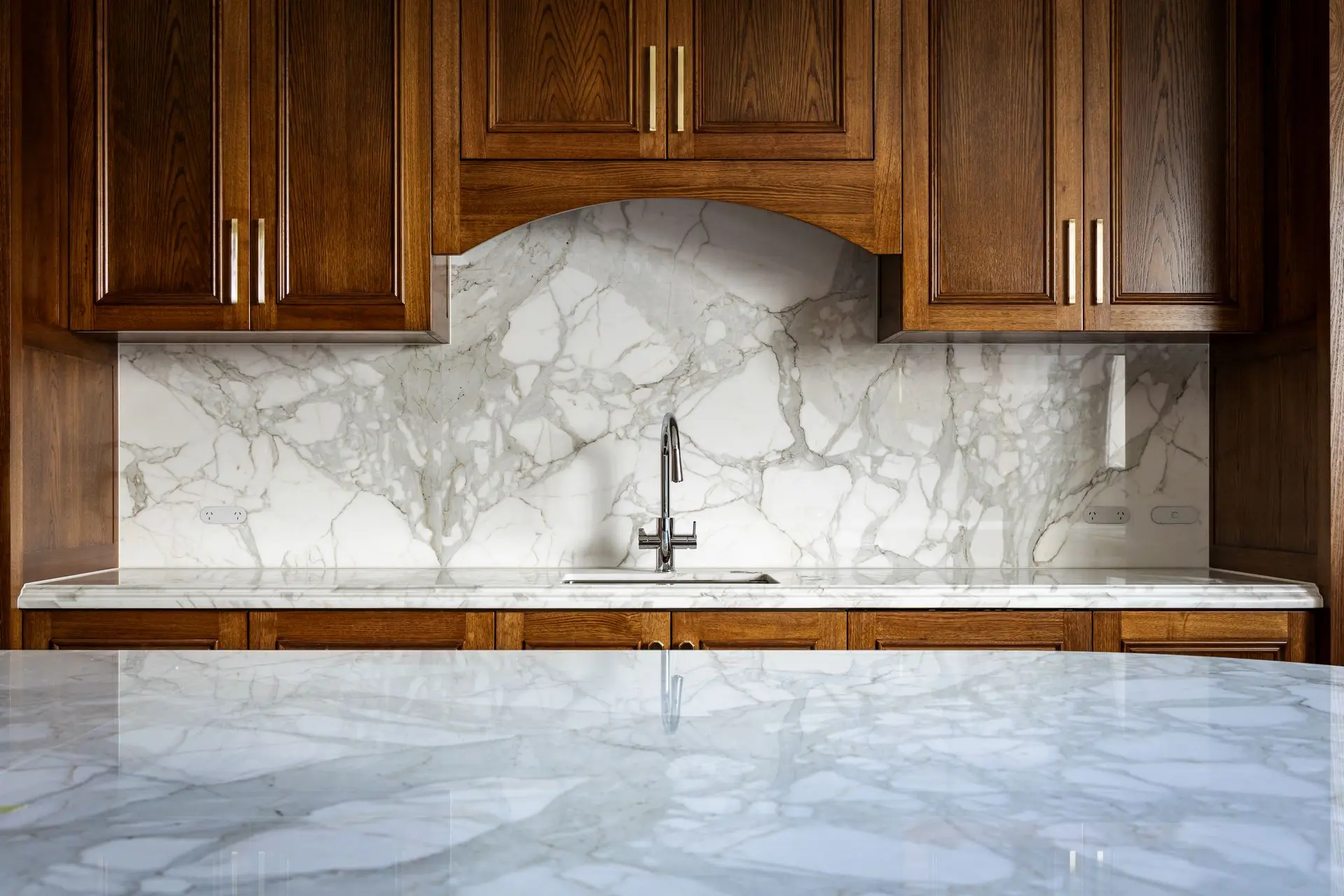
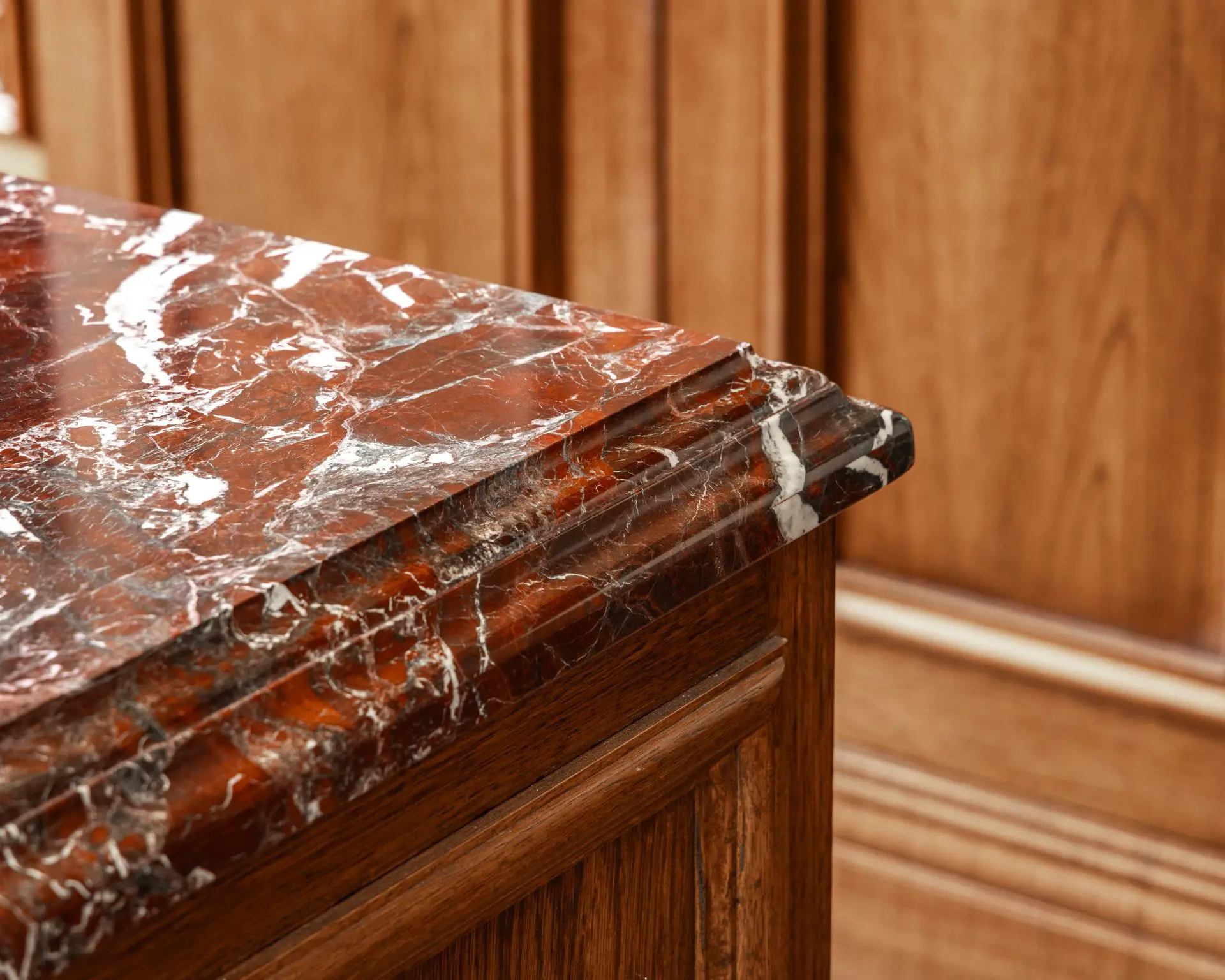
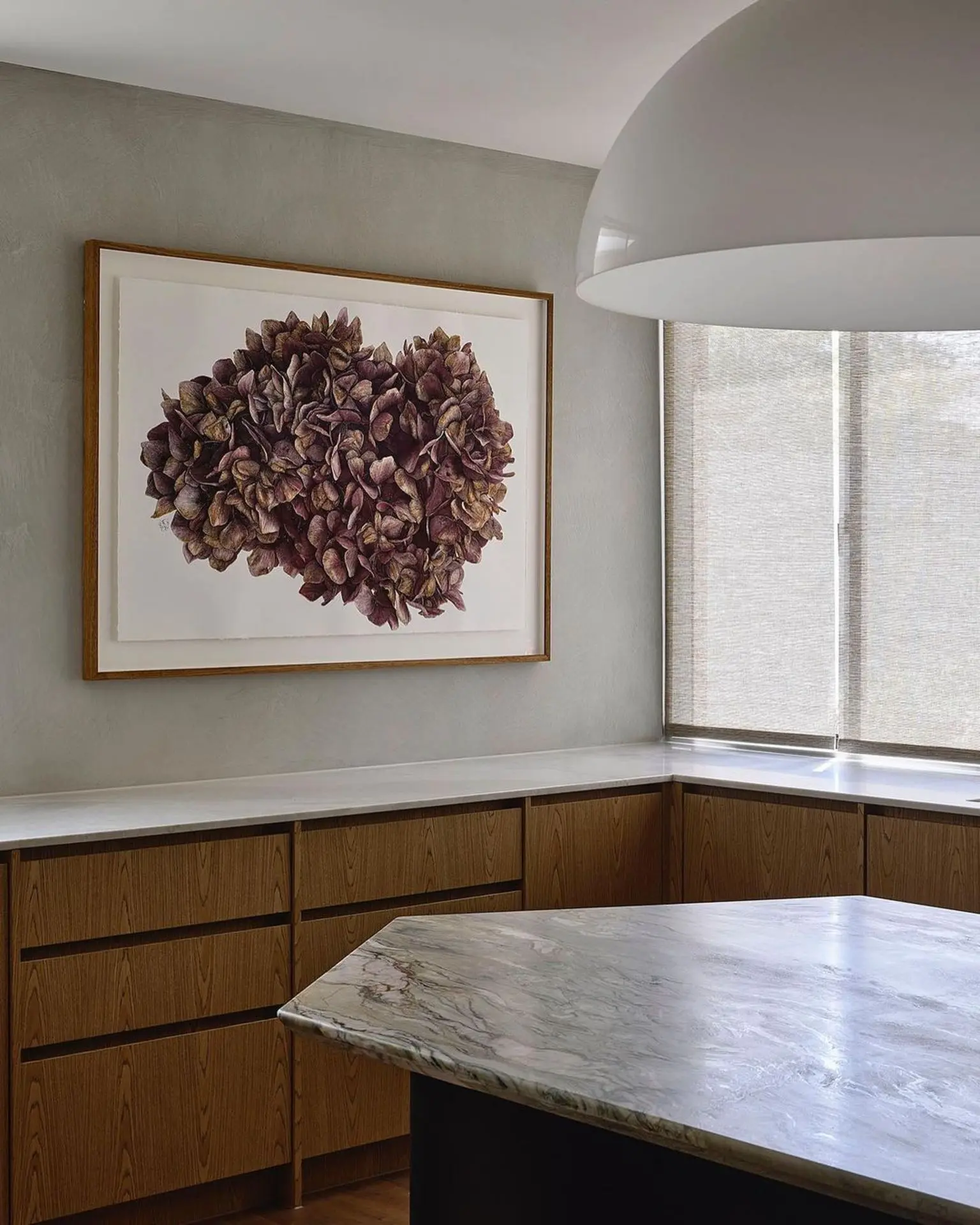
What to consider before sealing comes down to the stone and the space. Softer or more porous materials (marble, limestone, travertine, onyx) typically benefit from more frequent sealing than denser stones, and high-use zones like kitchen benchtops or entry floors will wear through protection faster than low-traffic feature walls or vanities.
Finish matters too: honed or textured surfaces can show staining more quickly because they hold residue on the surface, so they often need closer maintenance than polished finishes. In some projects, a colour-enhancing sealer is chosen to deepen tone and highlight veining, while a natural-look sealer keeps the appearance as close as possible to the raw slab – this is a design choice as much as a maintenance one.
Another consideration is where the stone lives. Outdoor terraces, alfresco kitchens, and pool surrounds are exposed to UV, rain, and temperature changes, so they can need more frequent checks and reseals than a sheltered indoor vanity. In those settings, some sealers are formulated specifically to cope with salt, efflorescence, and freeze–thaw or heat stress.
Best practice starts at installation
Stone should be sealed once it’s clean and fully dry. Any dust, slurry, or construction residue sitting on the surface can prevent a sealer from penetrating evenly and reduce its effectiveness over time. In tiled applications, many installers apply a first seal before grouting to help prevent grout haze and pigment staining, then a second seal after grouting once everything is cured and cleaned back.
After that, resealing is about performance, not guesswork. A simple water-drop test is a good guide – place a few drops of water on the stone and leave them for a few minutes. If the stone darkens or the water soaks in quickly instead of beading, it’s time to reseal. Southern Living As a general rule of thumb, marble benchtops and other high-use surfaces often need resealing every 6–12 months, while many granites and quartzites can comfortably stretch to 12–24 months in residential settings, depending on the product used and how the space is used day to day.
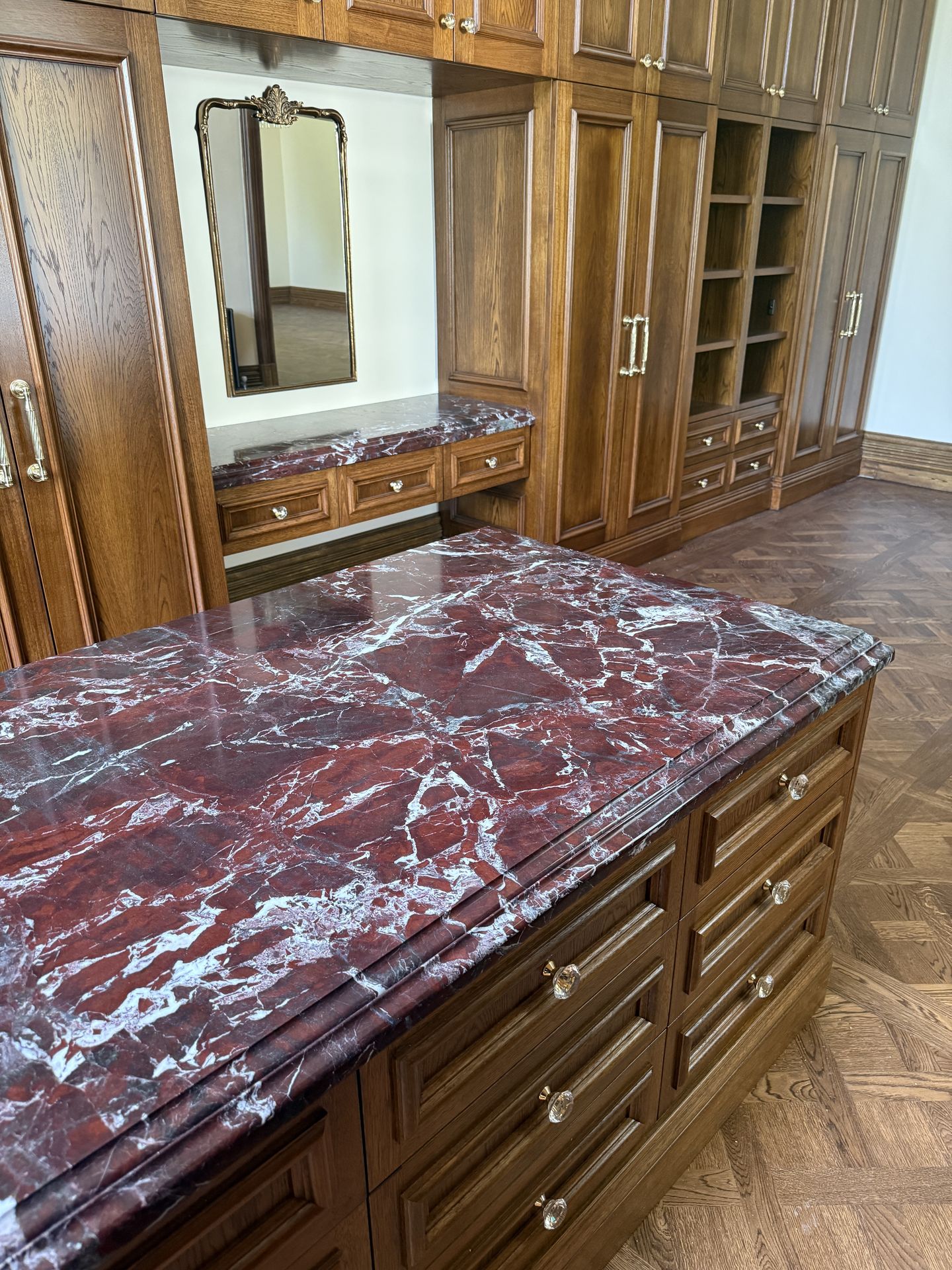
Starting protection at slab stage
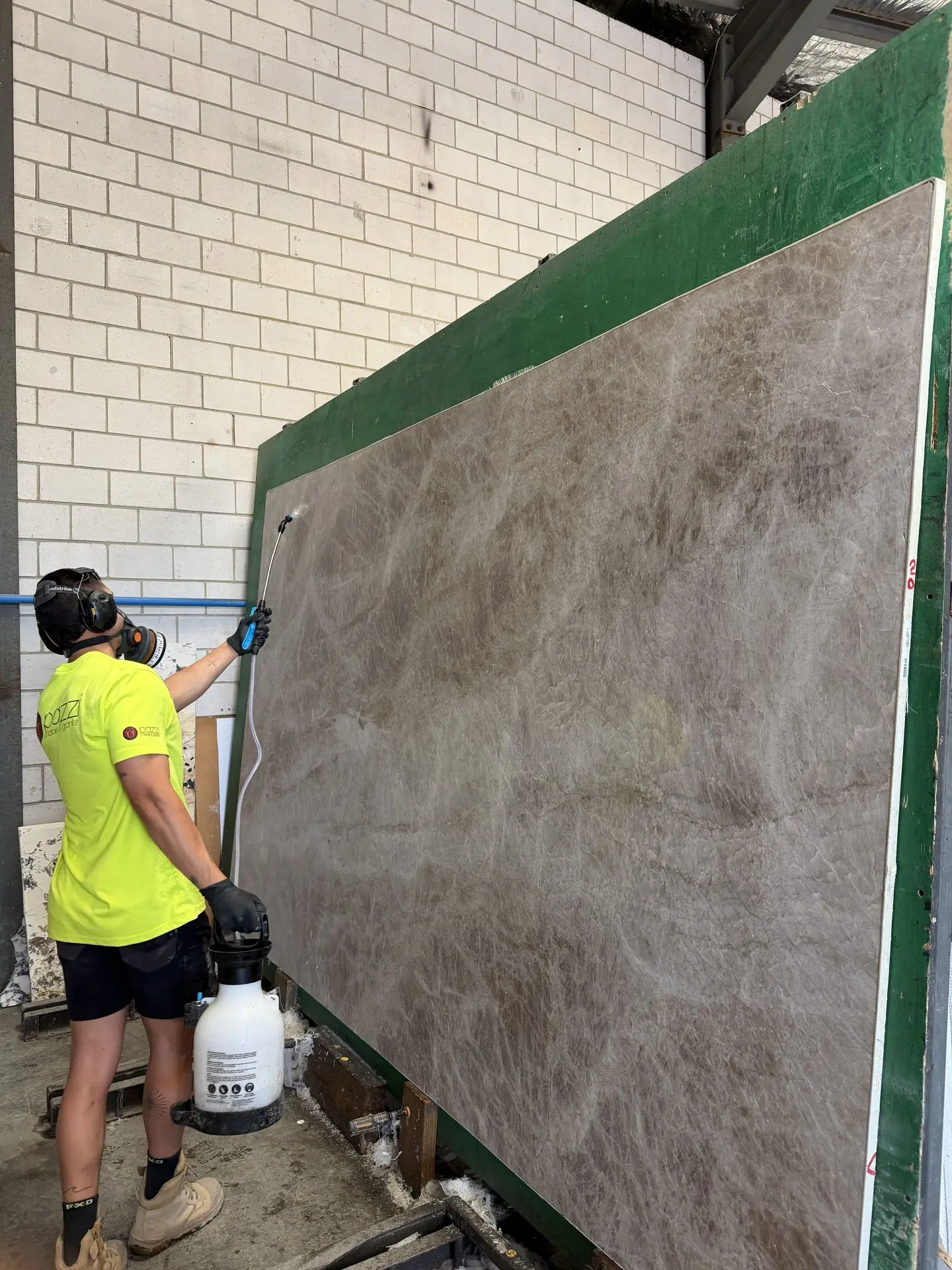
When a slab first arrives from the supplier, sealing can start right at the “welcome and inspection” stage for stones that benefit from early protection. Because natural stone is porous to different degrees, many fabricators will test how quickly a slab absorbs water or marking, and if it’s especially open-pored (common with marbles, limestones, and some lighter dolomites), they’ll apply a light pre-seal to the face and edges before heavy handling, layout marking, or cutting.
This early penetrating sealer helps reduce the risk of workshop stains from moisture, oils, dust, and handling, and it protects the surface while the slab is being templated and moved through the shop. For denser stones, some teams may wait and seal after fabrication and polishing instead – the key is matching the timing to the stone’s porosity, finish, and intended use, and using a high-quality impregnating sealer that creates stain resistance without changing the natural look.
Types of sealers: natural look, enhancers, and pre-sealers
Not all sealers behave the same way, so it’s useful to know the basic categories:
- Natural-look penetrating sealers: Designed to sit below the surface and keep the appearance as close as possible to the original stone while repelling water- and oil-based stains. These are the most common choice for marble, granite, quartzite, and limestone bench-tops.
- Colour-enhancing penetrating sealers: Penetrating sealers that also slightly darken and enrich the stone, often used on honed or textured finishes to bring depth to colour and veining while still remaining breathable.
- Pre-sealers / back-sealers: Used on very porous stones and some tiling projects to help resist “picture framing” (darkening around tile edges) and efflorescence as moisture comes through the back of the stone during installation.
Choosing between them usually comes down to the look you want, how porous the stone is, and whether the application is indoors, outdoors, vertical, or horizontal.
Day-to-day care: helping the sealer do its job
Day-to-day habits keep the sealer working properly. Clean with a pH-neutral stone cleaner or a mild, stone-safe detergent and a soft cloth, rather than vinegar, citrus-based products, bleach, or abrasive powders, which can damage both the stone and the sealer. Wipe spills early – especially wine, citrus, tomato, oils, and coffee – and use boards or trivets in busy kitchen zones. These small moves prevent both staining and premature sealer breakdown.
If you’re choosing a product for food-prep areas, make sure it’s specifically labelled as safe for use on kitchen bench-tops and follow the manufacturer’s directions for curing time before using the surface again. Many high-quality impregnating sealers are designed to be food-safe once cured, but always check the label to be sure.
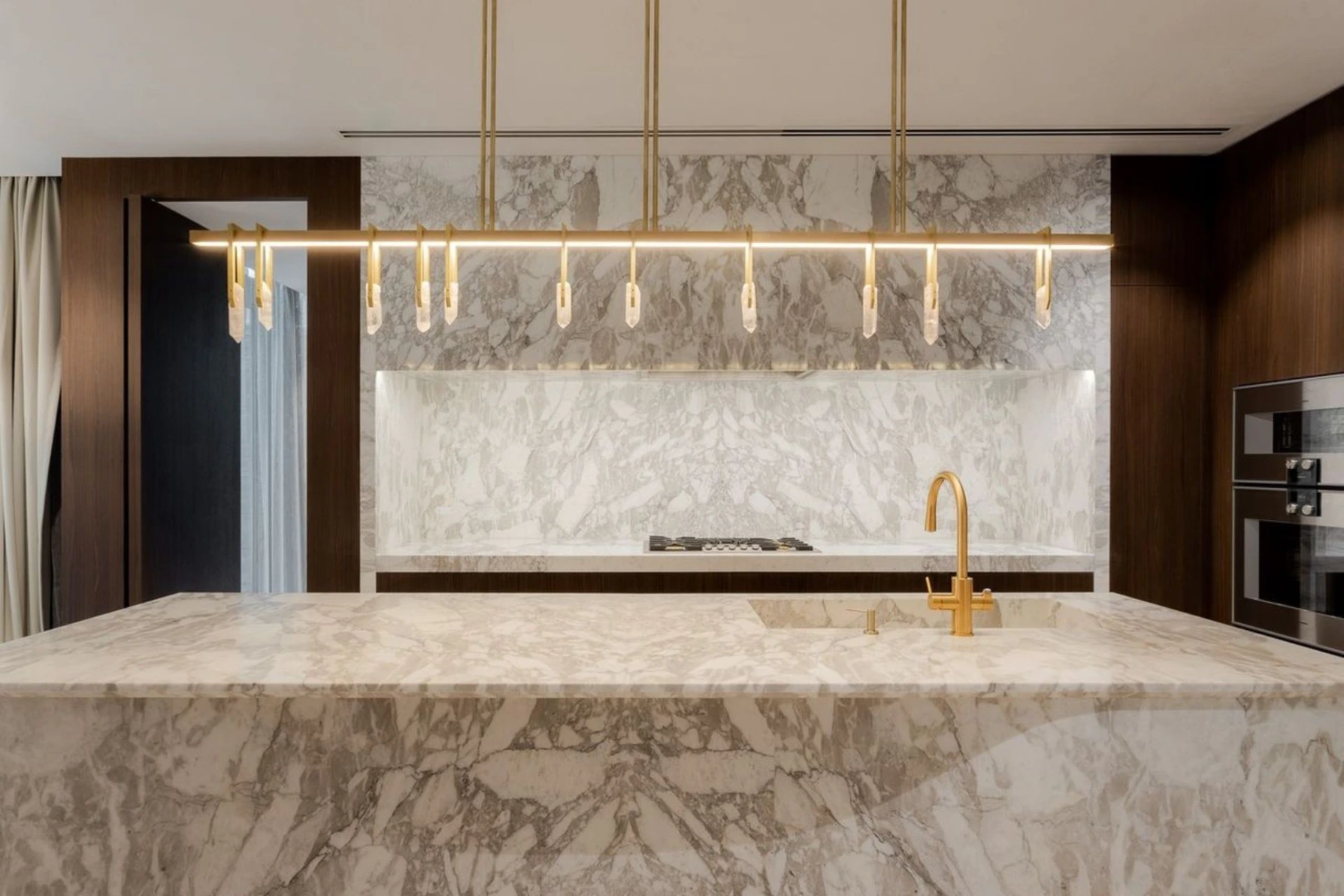
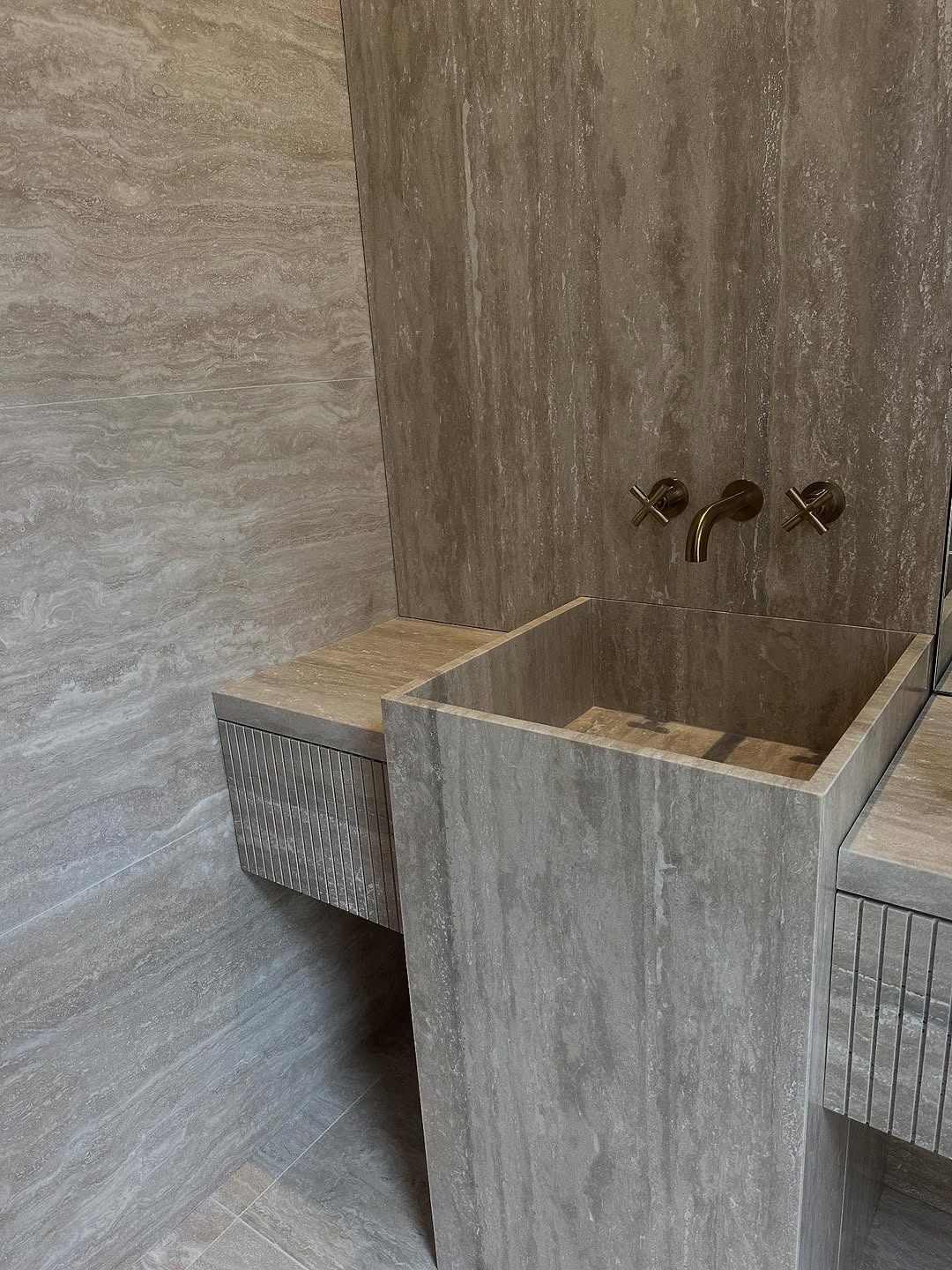
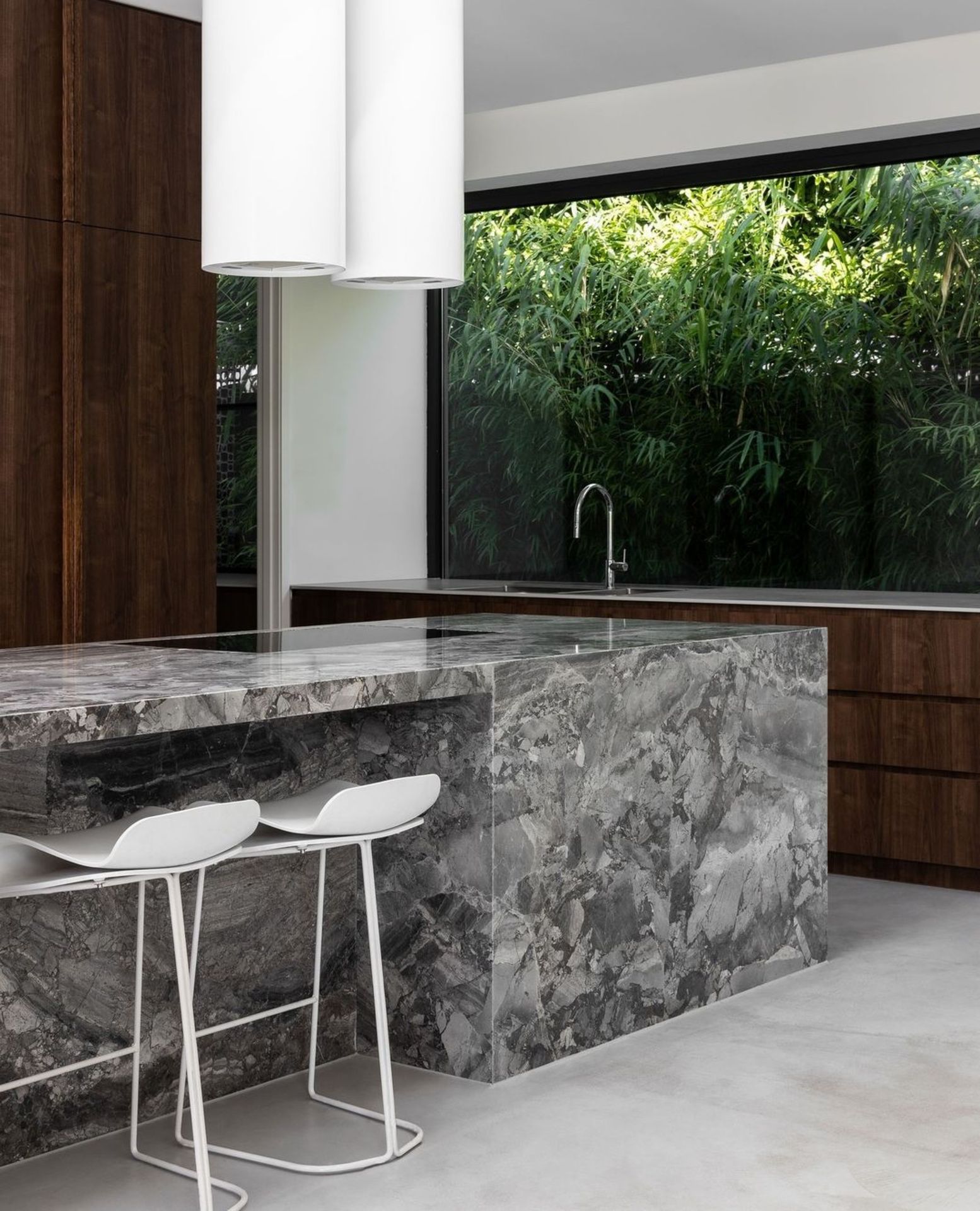
If you’re reapplying sealer yourself, work in small sections, avoid letting product pool on the surface, and buff off any excess before it dries to prevent streaking or haze. Always test in a discreet area first - especially with enhancers - to confirm the final look before committing to the whole surface.
Common sealing myths
A few myths pop up often around stone care:
- “If it’s sealed, I don’t have to worry about stains.”
Even the best sealer buys you time and resistance, not total immunity. Long-sitting spills, harsh chemicals, or heavy abrasion can still mark the surface. - “More sealer is always better.”
Over-applying or layering incompatible sealers can lead to streaking, cloudiness, or uneven performance. Most modern products are designed to be applied in one or two even coats, then buffed back. More is not always more. - “Sealing will stop etching.”
As noted earlier, etching is a chemical reaction on the surface, so even a well-sealed marble can etch if exposed to acids. Good habits (coasters, wiping spills, pH-neutral cleaners) are just as important as sealing.
The bigger picture
Sealing isn’t about making stone “maintenance-free.” It’s about protecting a natural surface so it can be lived on confidently, age gracefully, and keep its depth and character for decades. With the right sealer, applied at the right stages - slab, fabrication, installation, and through its life in your home - plus simple daily habits, your stone has the best chance of looking and performing the way you hoped when you chose it.